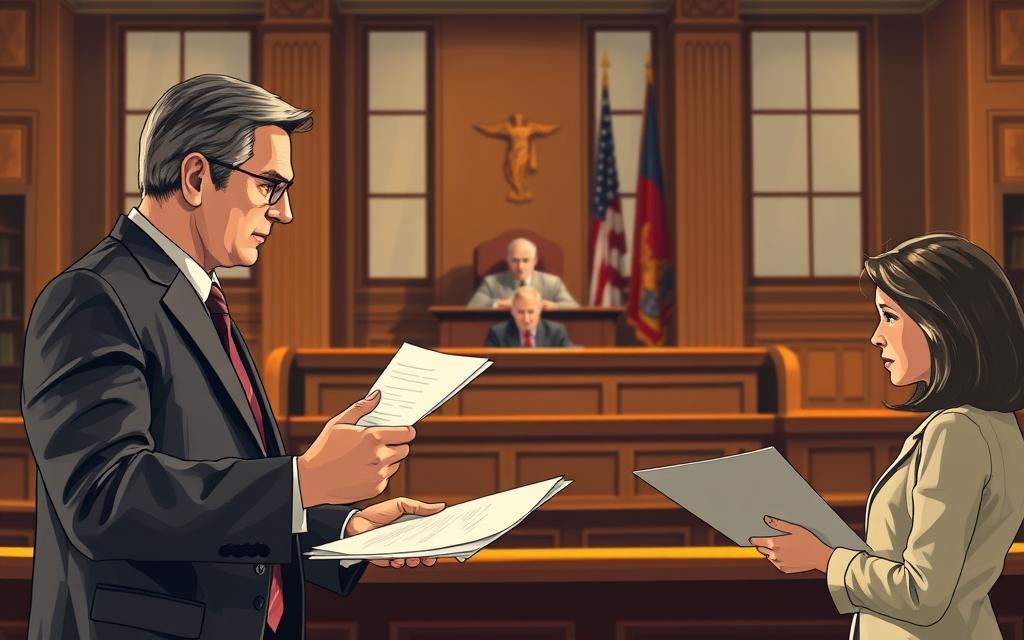

Can bankruptcy stop eviction temporarily and give you breathing room? Learn how bankruptcy halts eviction, options, and what to do next.
Yes — filing for bankruptcy can temporarily stop an eviction thanks to the automatic stay, which pauses most legal actions including eviction. But it’s not permanent, and landlords can sometimes bypass it under certain conditions.
Have you ever wondered, “Can bankruptcy really halt my eviction overnight?” It’s a scary thought to face losing your home. The good news: bankruptcy often triggers an “automatic stay,” which halts most evictions temporarily. But there are important caveats and steps you must know to make it work in your favor.
Let’s break down how bankruptcy interacts with eviction, what limits exist, and how you can use it as a shield (not a solution) to buy time and explore your options.
What Is The Underlying Search Intent
Searchers asking can bankruptcy stop eviction temporarily usually want to know:
- If bankruptcy prevents eviction now (short-term relief)
- Which type of bankruptcy works best (Chapter 7 vs Chapter 13)
- How long the eviction is paused
- What loopholes landlords might use to override it
- Steps to take after filing
To satisfy that intent, the article must explain:
- The concept of automatic stay
- How it works against landlord actions
- Differences between bankruptcy types
- Exceptions and potential landlord strategies
- Next steps, risks, and alternatives
I’ll deliver all that in friendly, clear language.
How Bankruptcy Triggers An Automatic Stay
When you file for bankruptcy, the court issues an automatic stay. This is a legal order stopping most creditors from taking further action against you. It immediately pauses lawsuits, wage garnishments, and evictions.
For a landlord trying eviction, the automatic stay halts the process temporarily — meaning they must stop until the court lifts the stay or the case is resolved. Eviction can’t continue while stay is in place (in most cases).
That makes bankruptcy an effective tool to buy time. You’re not off the hook forever, but you get breathing room to reorganize, negotiate, or move.
What “Temporarily” Really Means
“Temporarily” is key here. The stay works as long as your bankruptcy case is active and the court doesn’t allow landlord exceptions. It might last from a few weeks to months.
If your case goes on, the pause continues. But if the landlord convinces the court to lift the stay, eviction may resume. So, treat it as protection, not a full answer.
Also, bankruptcy doesn’t erase your lease obligations or unpaid rent — those debts may survive the case or be part of your repayment plan.
Chapter 7 Vs Chapter 13: Which Can Stop Eviction?
Not all bankruptcy types are equal in stopping eviction:
Chapter 7 Bankruptcy
- Liquidation chapter
- Often ends faster (3–6 months)
- Automatic stay applies temporarily
- Might not restructure unpaid rent or lease
Chapter 13 Bankruptcy
- Reorganization chapter
- You propose a payment plan
- Stay lasts for entire duration (3–5 years)
- Can include past-due rent in your plan
If you’re behind on rent and need more lasting protection, Chapter 13 is often more effective. But it depends on your income, assets, and the severity of debt.
Exceptions: When Bankruptcy May Not Stop Eviction
Bankruptcy doesn’t always block eviction. There are important exceptions:
- If landlord obtained judgment before filing
- If eviction judgment was final before your bankruptcy filing, stay may not apply.
- If landlord requests relief from stay
- The landlord can ask court to lift stay for “cause” (e.g., safety, nonpayment).
- If property is non-residential
- The stay might not apply to commercial leases in some states.
- If you ended lease or abandoned property
- You may lose the protection in some circumstances.
So the automatic stay is powerful, but not bulletproof.
What Happens After You File Bankruptcy
Once you file:
- The court issues the automatic stay
- The landlord must stop eviction efforts immediately
- You’ll receive notices about your case and hearings
- Creditors must pause collection actions
- You’ll attend a meeting of creditors
Important: you should inform your landlord promptly. Provide a copy of your bankruptcy filing with case number and stay notice. This helps show you are protected.
How Long Can Eviction Be Paused?
The stay can last as long as your bankruptcy is active — for:
- Chapter 7: typically 3–6 months
- Chapter 13: 3–5 years (duration of your plan)
But the landlord may ask to lift the stay earlier, especially if rent is unpaid or property damage occurs.
So while the pause is not limitless, it often gives you weeks to months to resolve things, find housing, or negotiate.
Responsibilities During The Stay
A temporary pause doesn’t relieve all responsibilities. You must:
- Pay ongoing rent under the lease
- Follow lease terms (no damage, no illegal acts)
- Include past rent in your bankruptcy plan (if applicable)
- Act in good faith — don’t sabotage the process
If you fail to pay current rent or violate lease rules, the landlord may gain cause to lift the stay.
How Landlords Challenge The Stay
Landlords may try to override the stay by:
- Filing a motion to lift stay
- Claiming cause, lack of adequate protection, or bad faith
- Showing that delay will harm them
If court grants their motion, eviction resumes. That’s why responding quickly and legally is vital.
Strategy: Using Time to Negotiate or Relocate
Once eviction is paused, you can:
- Negotiate with landlord for new lease terms or forgiveness
- Catch up past due rent through payment plan
- Look for alternative housing while case proceeds
- Seek legal help or tenant advocacy
Use the pause strategically — it’s your window to act, not pause indefinitely.
Risks And Downsides To Consider
Bankruptcy isn’t risk-free. Consider:
- Credit impact: stays on credit for years
- Asset loss: in Chapter 7, non-exempt assets may be sold
- Eviction still possible if stay lifted
- Not all rent forgiven — some debts survive
Make sure to weigh pros and cons before filing solely to stop eviction.
Steps To File Bankruptcy And Stop Eviction
Here’s what to do:
- Consult a bankruptcy attorney — get advice
- Gather documents — income, lease, debts
- Choose chapter — decide Chapter 7 or 13
- File petition — triggers the automatic stay
- Notify landlord & file proof
- Attend court hearings
- Follow the plan (especially in Ch. 13)
- If landlord challenges, defend your case
Be proactive — missed deadlines or mistakes could void protections.
What Role Does State Law Play?
Eviction and bankruptcy rules vary by state and jurisdiction. Some states may:
- Limit how quickly landlords get relief
- Offer stronger tenant protections
- Follow different timelines for eviction
Always check local law or consult counsel — what works in California may differ in Texas.
Sample Benefit Comparison
Let’s compare how bankruptcy helps vs doing nothing:
| Scenario | Without Bankruptcy | With Bankruptcy (Automatic Stay) |
| Eviction process | Landlord proceeds with court and eviction | Eviction halted temporarily |
| Time to act | Very limited | Weeks to months to respond |
| Rent recovery | Landlord enforces eviction and garnishes | Court oversight, negotiation possible |
| Long-term impact | Possibly homelessness or bankruptcy later | Chances to reorganize and stay in home |
| Risk to credit | Only future defaults affect credit | Bankruptcy affects credit, but may prevent worse damage |
Use this as your planning tool.
Common Misconceptions
Let’s clear up myths that confuse people:
- Myth: Bankruptcy permanently stops eviction — No, the stay is temporary.
- Myth: Landlord can never evict after you file — If stay lifted, yes.
- Myth: All debts, including rent, vanish — Some survive or must be repaid.
- Myth: Chapter 7 works better for rent debts — Actually, Chapter 13 often handles rent arrears better.
Understanding these helps you make smart choices.
Real-Life Scenarios
Scenario A: You’re behind 2 months of rent and landlord filed for eviction. You file Chapter 7. The automatic stay halts eviction. You must pay current rent while bankruptcy processes.
Scenario B: You file Chapter 13, include past rent in your payment plan. Landlord may oppose, but if court approves, eviction stays while you repay.
Scenario C: Landlord got final eviction judgment before you filed — stay may not apply and eviction may proceed.
These examples show how details matter.
What To Do If Stay Is Lifted
If the court lifts the stay:
- Eviction resumes
- You risk removal from property
- You might appeal or negotiate
- Try to reinstate stay if grounds exist
Don’t ignore it — act fast; missing deadlines can doom your case.
Alternatives To Bankruptcy For Avoiding Eviction
If bankruptcy feels extreme, consider:
- Talk to landlord: propose repayment plan
- Seek rental assistance: from charities or government
- Mediation or arbitration between tenant and landlord
- Legal aid: tenant rights groups can help
These may avoid the credit hit of bankruptcy.
What Happens After Bankruptcy Case Closes
After your bankruptcy:
- Stay ends
- Eviction resumes if landlord wins lift motion
- If you secured plan (in Chapter 13) and complied, landlord may accept payments
- You could face eviction if you can’t keep up
The pause was temporary relief — long-term survival depends on sustainable plan.
Conclusion
Yes — bankruptcy can temporarily stop an eviction through the power of the automatic stay. But it’s not a magic shield. The stay has limits, and landlords may challenge it. Choosing between Chapter 7 and Chapter 13, filing correctly, informing your landlord, and negotiating are key steps. Use that pause wisely: catch up, relocate, or restructure.
If you’re facing eviction, act immediately, get legal advice, and use bankruptcy or other strategies as your tool—not your only hope.

FAQs
Can Bankruptcy Prevent Eviction In Chapter 7?
Yes — in many cases, Chapter 7 triggers an automatic stay that pauses eviction. But it’s short-lived and may not cover catching up rent.
How Long Does Automatic Stay Stop Eviction?
It lasts while your bankruptcy case is active — often 3–6 months in Chapter 7 or 3–5 years in Chapter 13.
Does Bankruptcy Erase Unpaid Rent Debt?
Not always. Some past rent may survive or need to be repaid under a Chapter 13 plan.
Can Landlord Evict You After Bankruptcy?
Yes — if the court lifts the stay or your case ends without resolving rent arrears.
Is Filing Bankruptcy My Only Way To Stop Eviction?
No — you may negotiate with landlord, seek rental aid, or use mediation to avoid filing.